

Digital Transformation: Positioning Vision Consultants for growth
When I joined Vision Consultants, the business was running on instinct and institutional knowledge. There were no centralized systems, no standardized processes, and no digital infrastructure to support the volume and complexity of work the team was managing. Over the course of my tenure, I led a full operational transformation — not as a single project, but as a deliberate, phased evolution that touched every layer of how the business functioned.
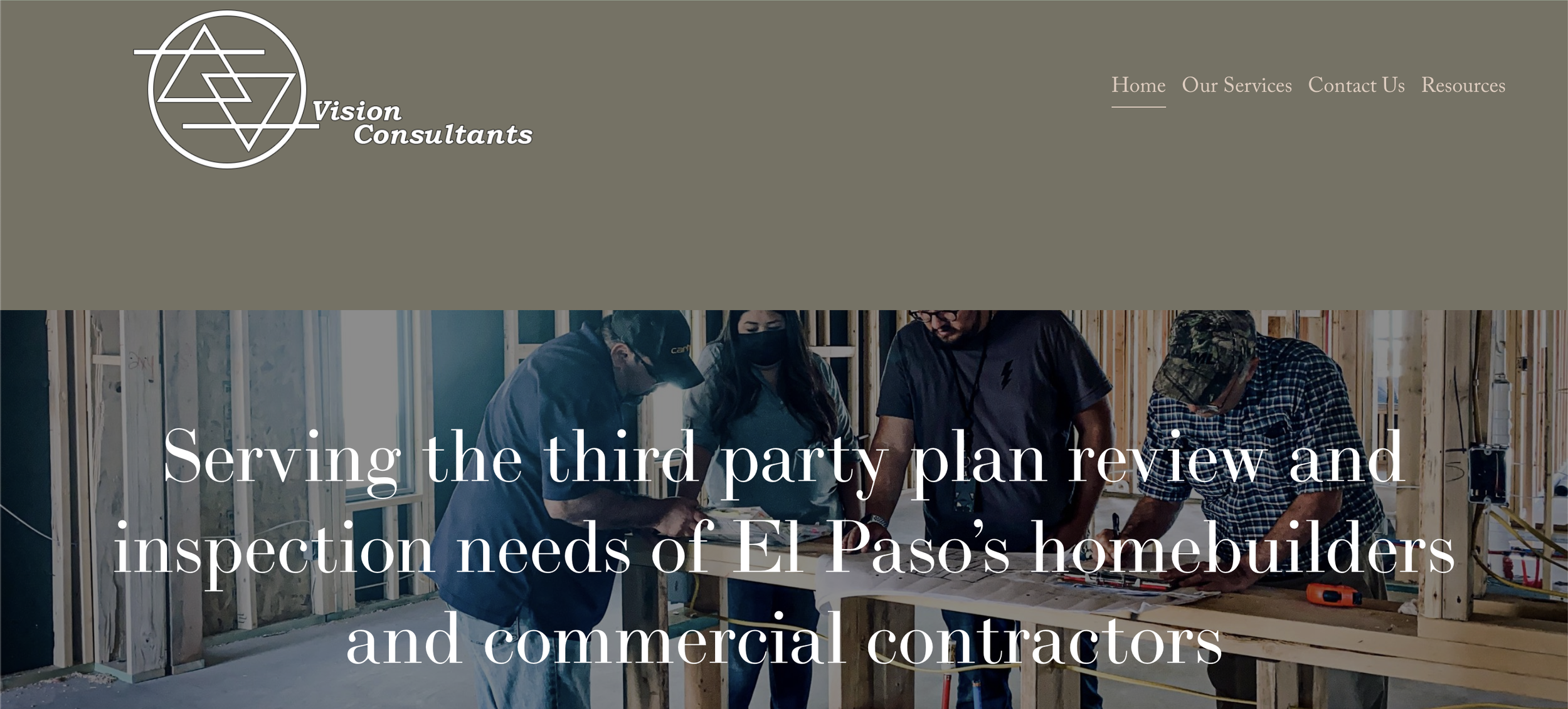
Phase 1— Establishing a Digital Presence

The first step was giving Vision Consultants a front door. I spearheaded the build of the company's website from scratch, creating a user-friendly platform that clearly communicated the firm's services, expertise, and team. This included an engaging landing page, a comprehensive services section, a resource hub, a staff directory, SEO optimization, and a mobile-first design built for the construction and inspection industry. What had previously existed only through word of mouth now had a professional, searchable, credible home online.
Landing Page: A compelling introduction that established credibility and clearly communicated the company's mission and capabilities.
Services Architecture: Detailed descriptions of Vision Consultants' offerings, giving prospective clients a clear picture of what to expect.
Resource Hub: A curated collection of industry resources that positioned the firm as a knowledgeable partner, not just a vendor.
Team Directory: A staff showcase that humanized the brand and built trust before the first conversation.
SEO and Mobile Optimization: Best practices implemented from the start to ensure the site was discoverable and functional across all devices.
Phase two— Saas Implementation
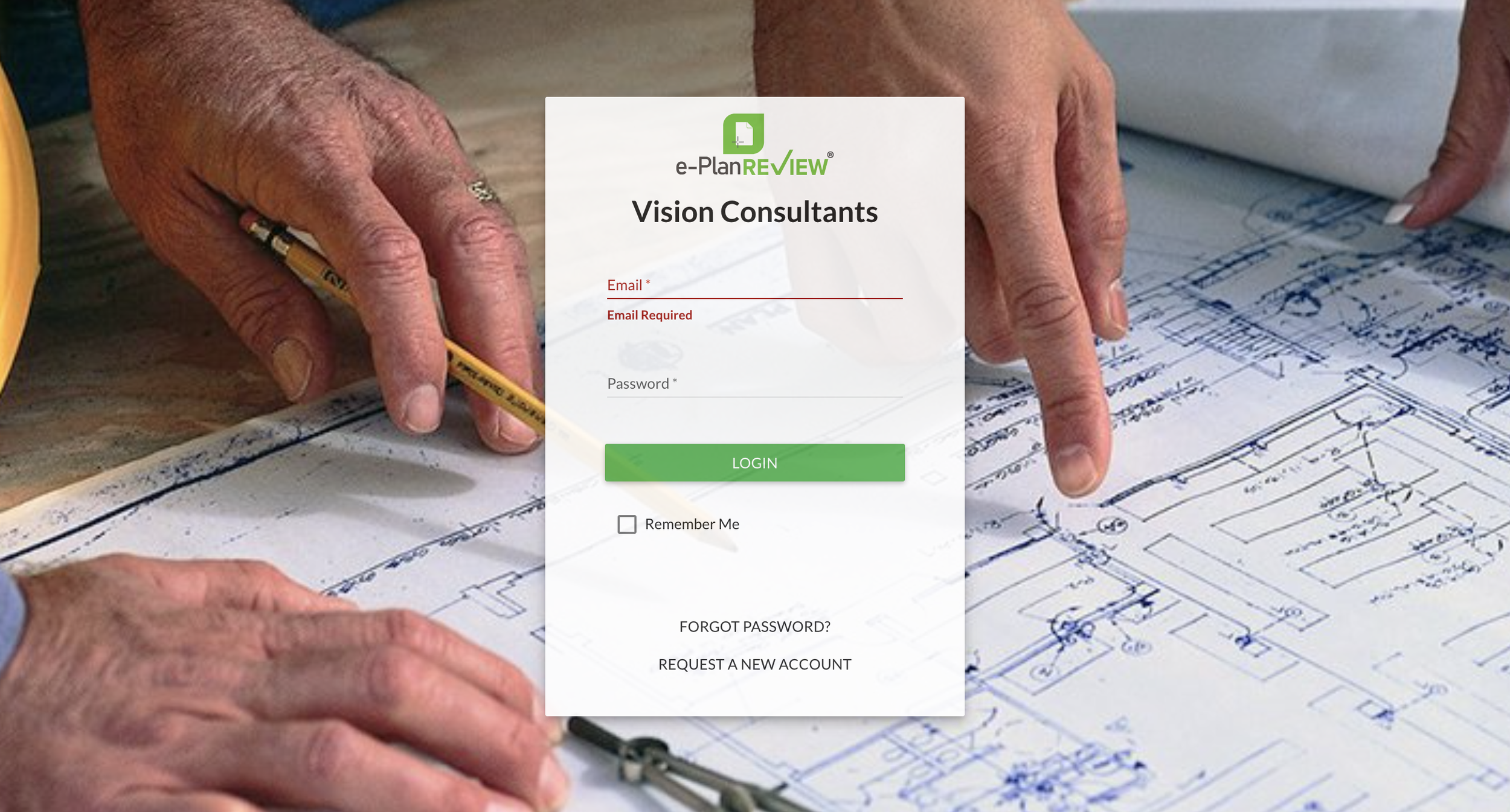
With a digital presence established, the next priority was the internal infrastructure. I led the end-to-end evaluation, selection, and company-wide rollout of a new SaaS platform — transitioning the team away from fragmented, manual processes toward a centralized system built for scale.
Needs Assessment: A thorough audit of existing workflows to identify gaps and inefficiencies before evaluating any solutions.
Vendor Evaluation: Platform research and comparison against operational requirements, team capacity, and long-term scalability, presented to leadership with a full cost-benefit analysis.
Stakeholder Alignment: Internal consensus-building across a cross-functional team, with clear communication of the why behind the change at every level.
Phased Rollout: A structured implementation plan with clear milestones, training timelines, and accountability checkpoints to minimize disruption.
Training and Adoption: Hands-on training designed and delivered for all staff to ensure confidence and consistency through the transition.
Performance Monitoring: Post-launch KPIs established to track adoption and operational improvements, with ongoing iteration as the team settled in.
Phase Three— Intake System Evolution
The most significant transformation was the project intake process — a full evolution across three distinct generations of the same system.
The original process was entirely paper-based. Every incoming project moved through physical forms and manual handoffs, creating risk at every step. I began by documenting the existing system in full, mapping every touchpoint and identifying where information was being lost, delayed, or duplicated.
From there, I migrated intake to digital forms and shared online documents — an immediate improvement that created a retrievable record for every project and reduced manual error. That phase also generated data: patterns, bottlenecks, and inconsistencies that made the case for a more structured solution.
The next iteration introduced a dedicated project management platform, giving the team pipeline visibility, assigned ownership, and milestone tracking across every active project. And finally, I collaborated on the design and rollout of a custom internal CRM — purpose-built for Vision Consultants' specific workflow, integrating client records, project status, communications, and reporting into a single source of truth.
Paper Audit: Full documentation of the existing system to understand what was actually happening before proposing any changes.
Digital Migration: Online forms and shared documents as the first phase of modernization.
Workflow Standardization: Process design informed by what the digital phase revealed.
Project Management Platform: Structured pipelines with assigned owners, status tracking, and team-wide visibility.
Custom Internal CRM: A purpose-built system that brought every layer of the client and project relationship into one place.
Governance and Training: Usage standards, naming conventions, and accountability structures to ensure the system held over time.
key features.
Each phase of this transformation built on the one before it — not just in technology, but in the team's collective understanding of how work should move through the organization. By the time the custom CRM was live, Vision Consultants had gone from a business running on memory and paper to one with a fully modernized operational infrastructure.
Overall.
This is the work I am most proud of professionally. Not because of any single deliverable, but because it demonstrates what I actually do: I look at how an organization is functioning, identify where it is leaving capacity on the table, and build the systems that allow it to operate at a higher level. That is the through-line of everything I do, regardless of industry or role.